News
Interested in PEN program? Learn more here...
Posted: 01 Dec 2023
PEN student and instructor co-author article on social emotional learning
Posted: 06 Oct 2022
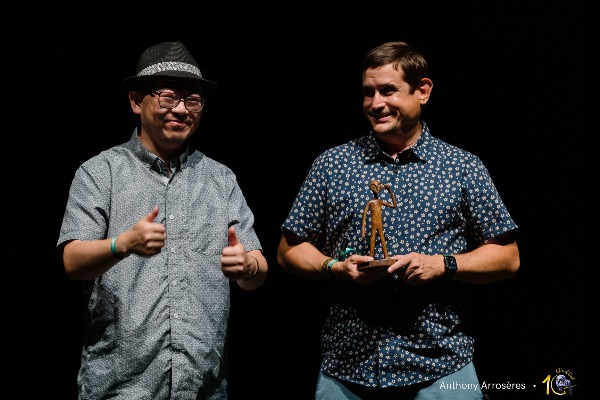
Motion Light Lab wins First place award at Clin D’Oeil Festival
Posted: 15 Jul 2022
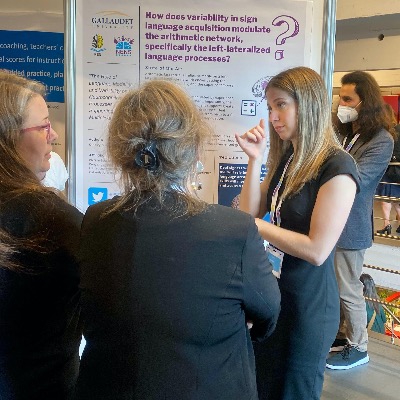
Students and faculty present posters at the 2022 MCLS conference in Belgium
Posted: 27 Jun 2022
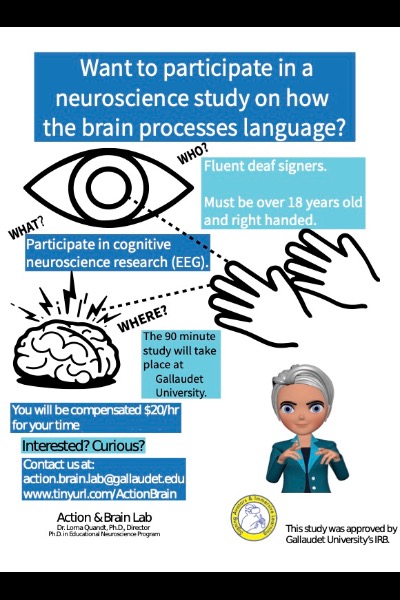
ABL seeking participants for a paid study on language processing
Posted: 24 May 2022
Dr. SaraBeth Sullivan and Carly Leannah honored with 2022 PEN distinguished awards
Posted: 16 May 2022
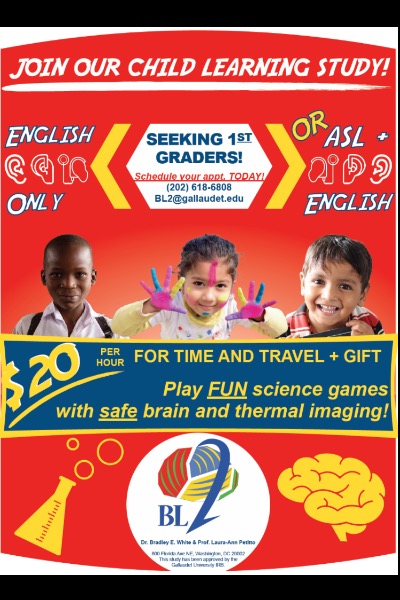
BL2 seeking first graders for a child learning study with safe brain and thermal imaging
Posted: 19 Apr 2022
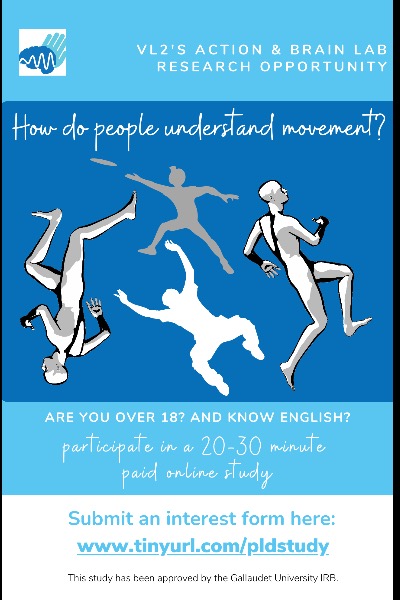
ABL seeking participants for a paid study on how people understand movement
Posted: 15 Apr 2022
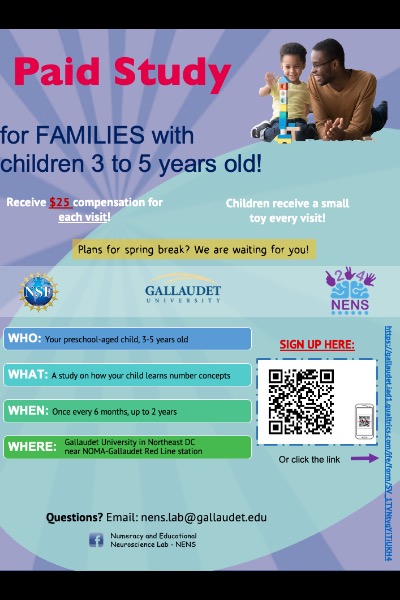
NENS study on early number concepts seeking participants aged 3-5
Posted: 13 Apr 2022
PEN student invited to prestigious summer institute
Posted: 15 Feb 2022

Kicking off 2022 with two publications from VL2Check out these open-access papers: One is a survey from ABL on sensitivity toward sign language avatars and the other is a NENS study on solving simple arithmetic problems.
Posted: 24 Jan 2022
Dr. Sullivan successfully defends dissertation, graduates from PENCongratulations to Dr. SaraBeth Joy Sullivan on her successful defense of her dissertation!
Posted: 22 Nov 2021
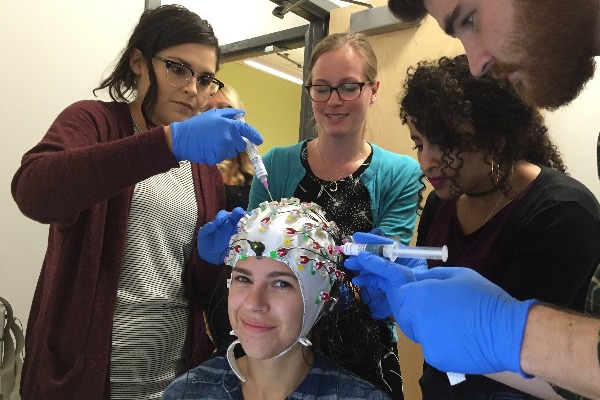
Applications now open for Fall 2022 admission to the PhD in Educational Neuroscience program!
Posted: 29 Oct 2021
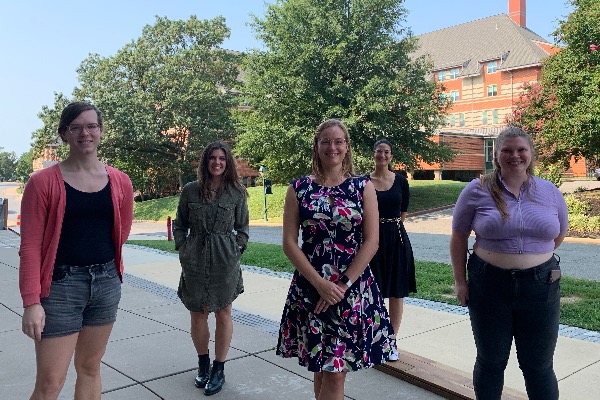
New publication on motion perception in Deaf signers published in neuroscience journal
Posted: 23 Sep 2021
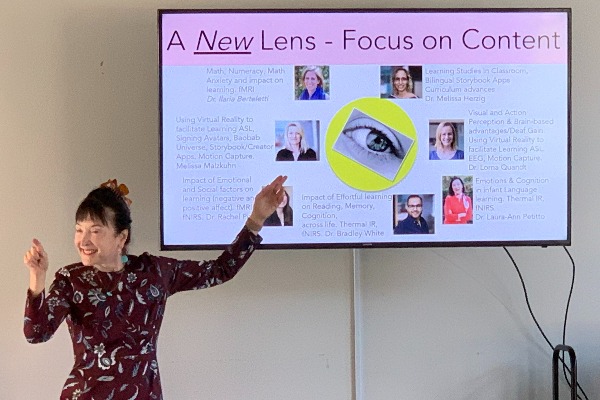
VL2 kicks off 2021-2022 with in-person meeting, announces new theme
Posted: 21 Sep 2021
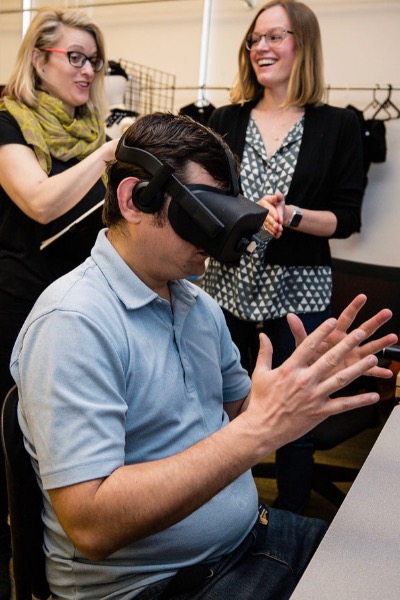
VL2's Dr. Lorna Quandt and Melissa Malzkuhn Win $850,000 NSF Funding Award
Posted: 15 Jul 2021
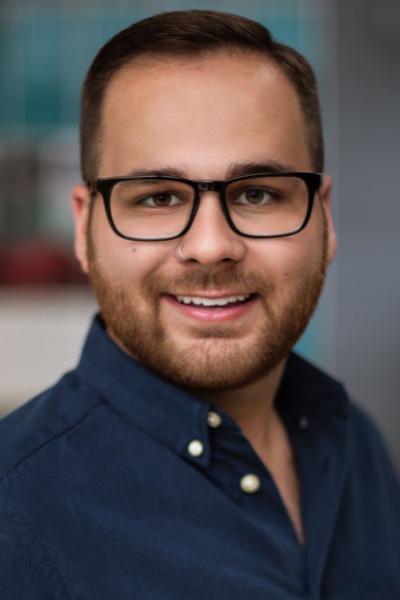
New publication on listening effort by BL2 scientist Dr. Bradley White
Posted: 12 Jul 2021
New publications in 2020-2021 by PEN faculty, students, and alumni!
Posted: 25 May 2021
Job opportunity in the NENS Lab!
Posted: 20 May 2021
Announcing… The CREST Ambassador program!
Posted: 05 Apr 2021

Participate in a Fingerspelling Study with the Action and Brain Lab
Posted: 29 Mar 2021
Announcing CREST Fest 2021 -- spread the word!
Posted: 26 Mar 2021
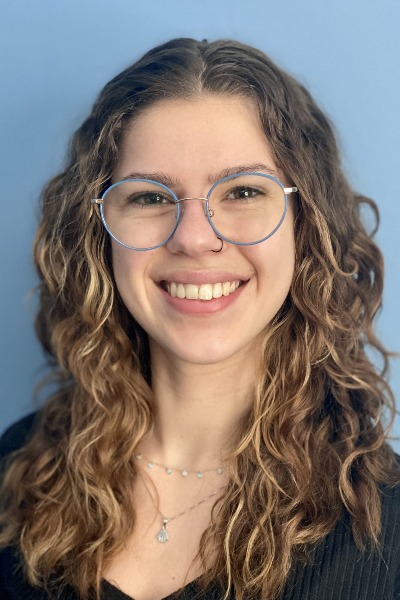
PEN alumna receives two-year postdoc at Boston UniversityThanks to an NIH grant, Dr. Lauren Berger, '20, will work in Dr. Naomi Caselli's LexLab to investigate how parent ASL proficiency supports Deaf children’s ASL acquisition. Congratulations!
Posted: 24 Mar 2021
Participate in a two-part study and earn up to $95!
Posted: 24 Mar 2021